
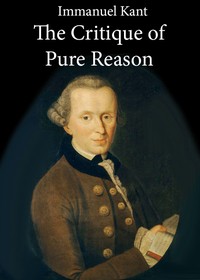
The Critique of Pure Reason by Immanuel Kant
Okay, let's be clear: there's no plot in the usual sense. No characters, no sword fights. The 'story' here is the journey of human reason itself. Kant sets out to map the very limits of what our minds can truly understand. He makes a huge distinction: there's the world as it is (the 'thing-in-itself'), and then there's the world as we experience it, which is shaped by the built-in structures of our minds—things like space, time, and cause-and-effect.
Why You Should Read It
This book is a foundation stone. Reading it is like getting the master key to so much modern thought. It explains why we can have solid knowledge in math and science, but why questions about God, the soul, or the universe's beginning might always be out of reach. It’s humbling and empowering at the same time. Kant isn't trying to give you answers as much as he's teaching you how to ask better, clearer questions. When you grasp a difficult concept, it feels like a genuine intellectual victory.
Final Verdict
This is not a casual beach read. It's for the curious, patient reader who loves big ideas. Perfect for anyone studying philosophy, psychology, or physics who wants to understand their roots. It's also great for the ambitious fiction fan who wants to see where concepts about reality and perception in shows like The Matrix or Inception really come from. Tackle it with a good guide or companion, take it slow, and prepare to have your perspective shifted.
No rights are reserved for this publication. It is available for public use and education.
Emma Gonzalez
2 years agoCitation worthy content.
Kimberly Miller
2 years agoSurprisingly enough, the emotional weight of the story is balanced perfectly. I learned so much from this.
Betty Wright
1 year agoTo be perfectly clear, the flow of the text seems very fluid. I learned so much from this.



Sandra Young
1 year agoHaving read this twice, it manages to explain difficult concepts in plain English. One of the best books I've read this year.