
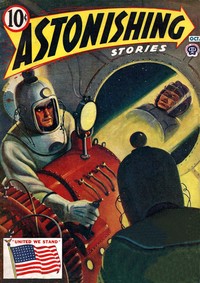
Remember me, Kama! by Walter Kubilius
Walter Kubilius wrote this novel back in the mid-20th century, during a time when people were both amazed and frightened by new technology. Remember Me, Kama! captures that fear beautifully—but through a very personal lens.
The Story
The main character, an average guy named Sam, is grieving his wife Kama. She died unexpectedly, and nothing feels right anymore. Then he stumbles across a fringe-science idea—psychic photography. The theory? That our emotions and strongest memories imprint on photographic plates, and a skilled medium can really 'see' the dead within those images. Sam isn’t a scientist or a mystic; he’s just a husband desperate for one more glimpse. But when he gets involved with Dr. Croft and the strange experiments, things get eerie. The photos start to stir up unresolved arguments, secrets Kama kept while alive, and the terrible feeling that maybe she never wanted to be remembered at all.
Why You Should Read It
This isn’t a sweet fairy tale about escaping grief. It’s raw. The author dives into how far someone will go when they can’t let go. The technology—yeah, it’s dated in spots (no cell phones or internet), and the romance feels very 1950s. But the core argument beneath the words hits hard: is using tech to cling to a ghost a cure or a disease? I also loved the pulpy tension; each chapter drops a new puzzle, and then twists it in your hands. You’ll find yourself second-guessing everyone’s motives—Sam’s unreliable as a narrator at times, which makes him feel painfully real.
Final Verdict
If you enjoy vintage sci-fi with more heart than hardware, grab this one. Think of Picnic with Lightning meets an old Twilight Zone episode. It’s perfect for readers who like their nostalgia layered with doubt. Also: strong recommendation for anyone facing loss, because it doesn’t polish away the messy feelings. Just know: you might stare at your phone screen afterward, wondering—what if that old camera used your face in its tricks?
This is a copyright-free edition. Preserving history for future generations.
George Thompson
8 months agoI wanted to compare this perspective with traditional views, the language used is precise without being overly academic or confusing. This exceeded my expectations in almost every way.
Joseph Smith
11 months agoI decided to give this a try based on a colleague's recommendation, the objective evaluation of the pros and cons is very refreshing. A trustworthy resource that I'll keep in my digital library.
Barbara Brown
2 years agoThe analytical framework presented is both innovative and robust.
Ashley Taylor
6 months agoExtremely helpful for my current research project.

William Davis
2 years agoI particularly value the technical accuracy maintained throughout.